Have you ever worried about a loved one slipping in the bathroom? A simple pair of slippers can become a hazard, and finding a truly safe option feels overwhelming.
For the best anti-slip performance, rubber is the top choice due to its excellent grip on wet and dry surfaces. Following closely is PVC, which offers a fantastic balance of safety, durability, and cost-effectiveness, making it one of the most popular materials for an anti-slip slipper in everyday use.
Choosing the right material is the first step toward safety. But to build a successful custom slippers product line, you also need to understand performance differences, design factors, and usage scenarios. Let’s break it down.
What is the Best Material for Anti-Slip Slippers?
Choosing the wrong material can turn your product into a liability. You risk customer complaints—or worse, safety issues.
For reliable performance:
- Rubber offers the strongest grip
- PVC provides the best balance of safety and cost
- EVA focuses on comfort but has lower slip resistance
- TPR is the least reliable for wet conditions
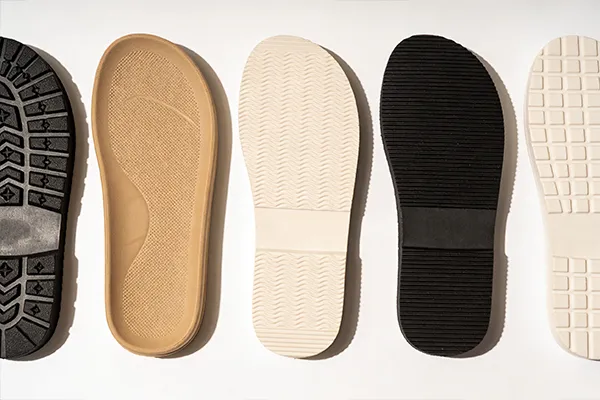
Material Comparison for Anti-Slip Slipper Performance
| Material | Anti-Slip (Wet) | Comfort | Cost | Best For |
|---|---|---|---|---|
| Rubber | Excellent | Good | High | Medical, elderly safety |
| PVC | Very Good | Moderate | Medium | Bathrooms, daily use |
| EVA | Fair | Excellent | Medium | Dry environments |
| TPR | Poor | Fair | Low | Budget, low-risk use |
Why Rubber Leads in Safety
Rubber is the gold standard for any anti-slip slipper. Its elasticity allows it to grip surfaces tightly—even on wet tiles. This makes it ideal for:
- Elderly users
- Hospitals or care environments
- High-risk wet areas
However, rubber is heavier and more expensive, which limits its use in large-scale custom slippers orders.
Why PVC is the Best-Selling Choice
PVC is widely used in commercial orders because it delivers:
- Strong anti-slip performance
- High durability
- Competitive pricing
With added sole patterns like waves or dots, a PVC anti-slip slipper can achieve excellent grip. That’s why it’s the preferred option for supermarkets and bulk buyers in Europe and the U.S.
How Can You Make Slippers Anti-Slip?
Material alone is not enough. A high-performance anti-slip slipper depends on design details.
The formula is simple:
Material + Sole Design + Fit = True Safety
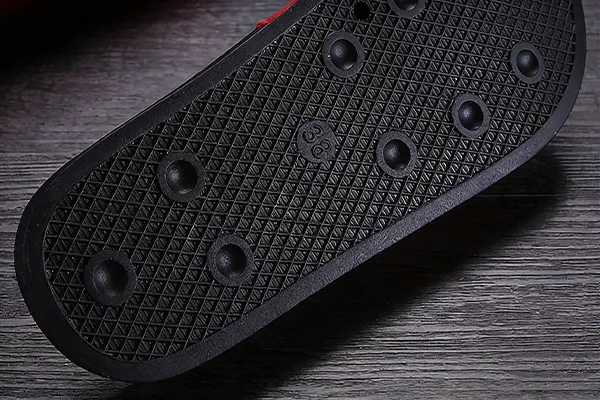
Sole Pattern is Everything
A smooth sole is dangerous on wet floors because it traps water and causes slipping.
The best anti-slip slipper designs include:
- Deep grooves
- Irregular textures
- Drainage channels
These features allow water to escape quickly and improve grip.
Balance Between Softness and Durability
A good sole must be:
- Soft enough to grip surfaces
- Firm enough to resist wear
This balance is critical when developing custom slippers for long-term use.
Internal Grip Matters Too
Slip resistance isn’t just about the outsole. If the foot slides inside the slipper, it reduces safety.
That’s why high-quality anti-slip slippers often include:
- Textured footbeds
- Ergonomic shaping
- Snug fit design
What Slippers Are Best for Preventing Falls in Different Places?
A slipper that works in the bathroom may not work in the kitchen. Matching the product to the environment is essential for both safety and sales.
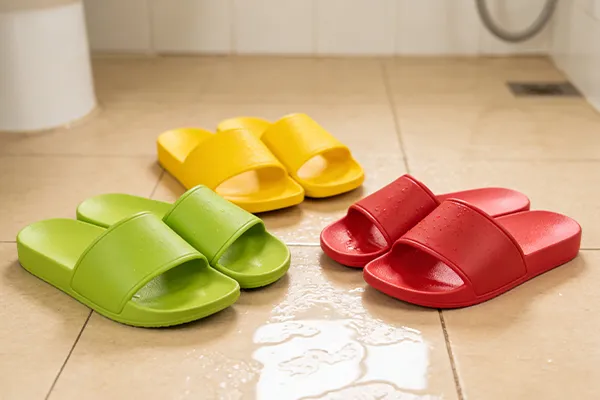
Bathroom Use
Wet floors with soap require:
- PVC or rubber soles
- Deep drainage grooves
This is the most common application for an anti-slip slipper.
For the Elderly
Safety is the top priority. The best custom slippers for seniors include:
- Rubber soles
- Wider base for stability
- Dense tread patterns
Kitchen Environments
Kitchens involve water and oil. Standard designs are not enough.
You need:
- Oil-resistant PVC or rubber
- Specialized tread patterns
Outdoor & Poolside
Exposure to water, sunlight, and chemicals requires:
- Durable PVC material
- UV and chlorine resistance
- Wave-pattern grip
Streets, Parks, and Beaches
In dry environments, comfort becomes more important.
EVA is ideal for:
- Lightweight wear
- Long walking sessions
Although EVA has lower wet grip, adding deeper grooves improves its anti-slip slipper performance for daily use.
Conclusion: How to Choose the Right Anti-Slip Slipper
The best anti-slip slipper depends on three key factors:
- Material (rubber, PVC, EVA)
- Sole design (grooves and drainage)
- Usage environment
For brands and wholesalers, selecting the right combination is critical to product success and customer satisfaction.
About Mingyi | Your Custom Slippers Manufacturer
As a leading PVC/EVA slipper manufacturer in China, Mingyi specializes in producing high-quality anti-slip slippers and custom slippers for global markets.
We provide:
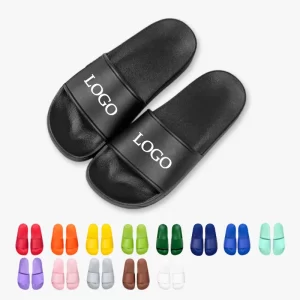
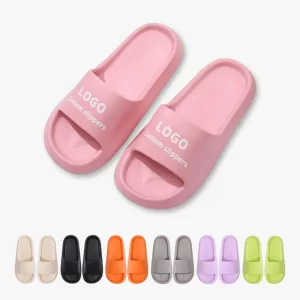
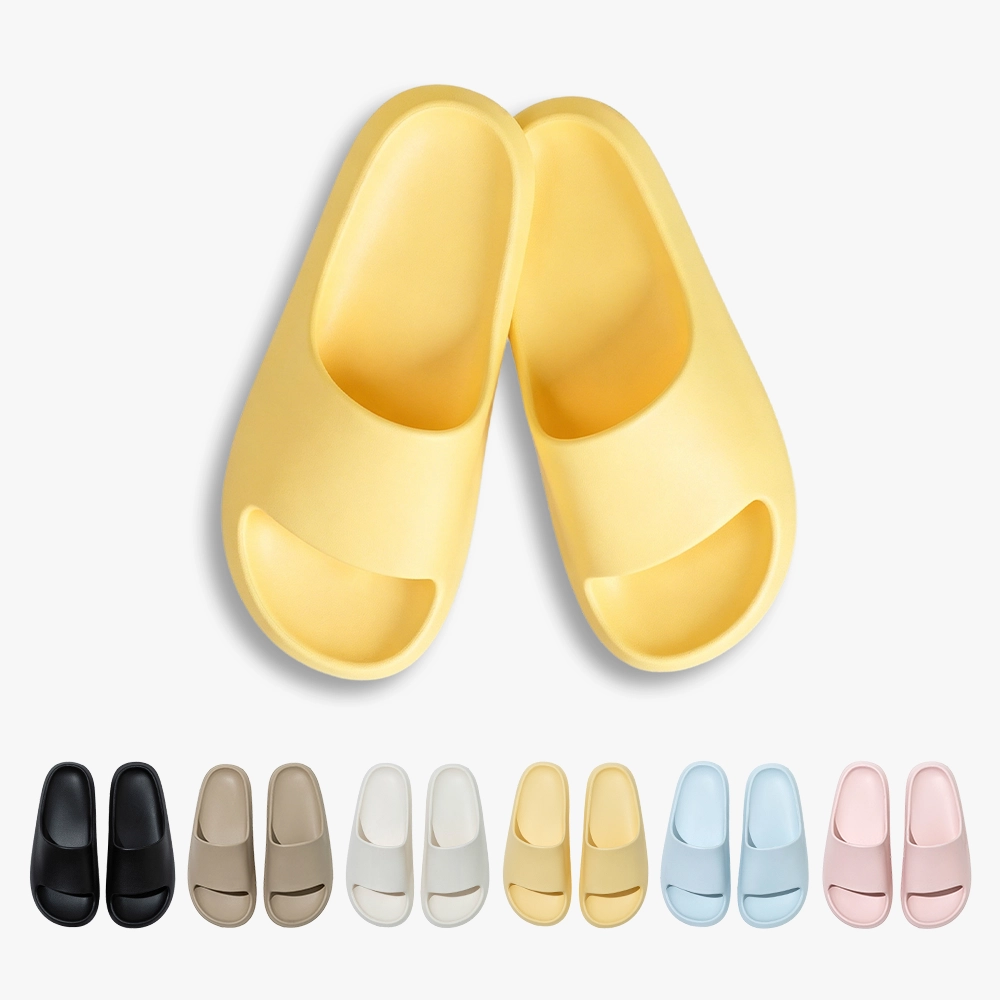
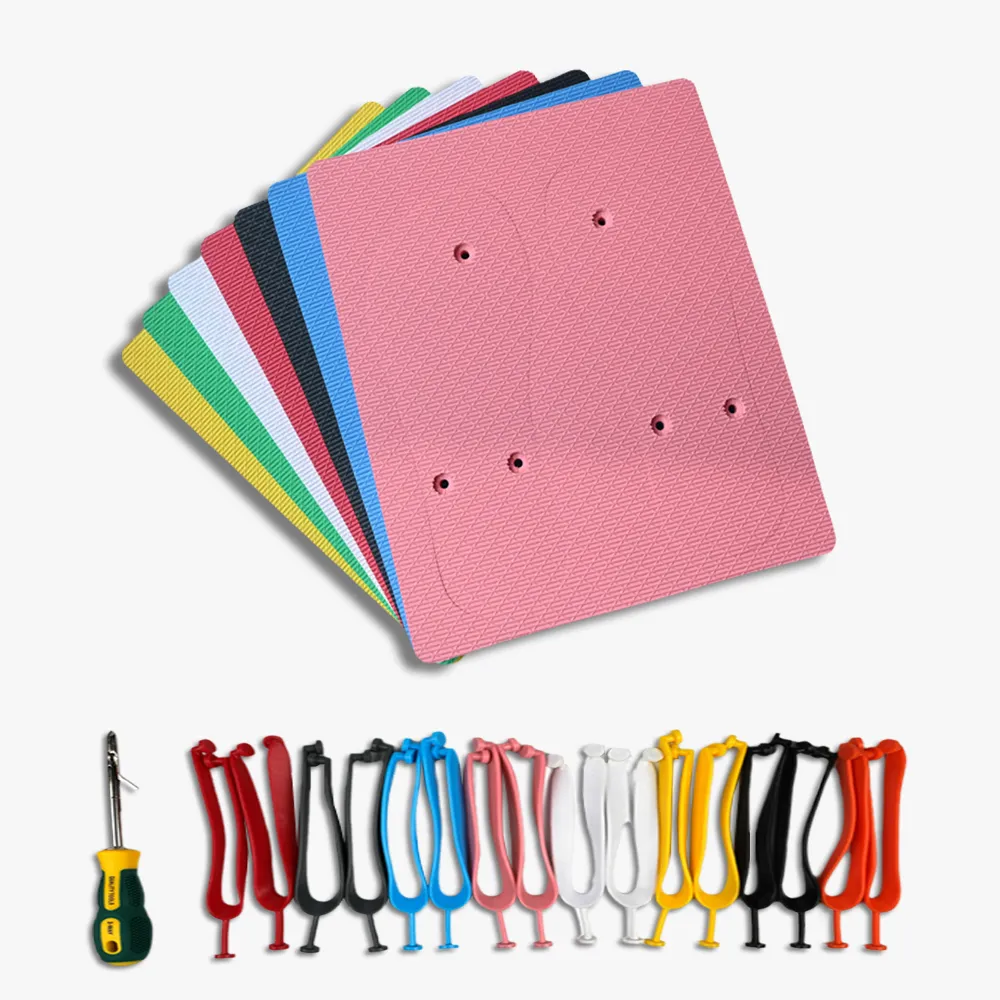
- Wholesale PVC slippers, EVA slippers, flip-flops, sandals
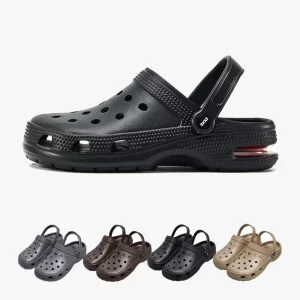
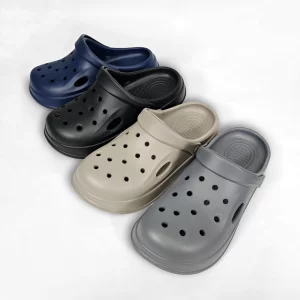
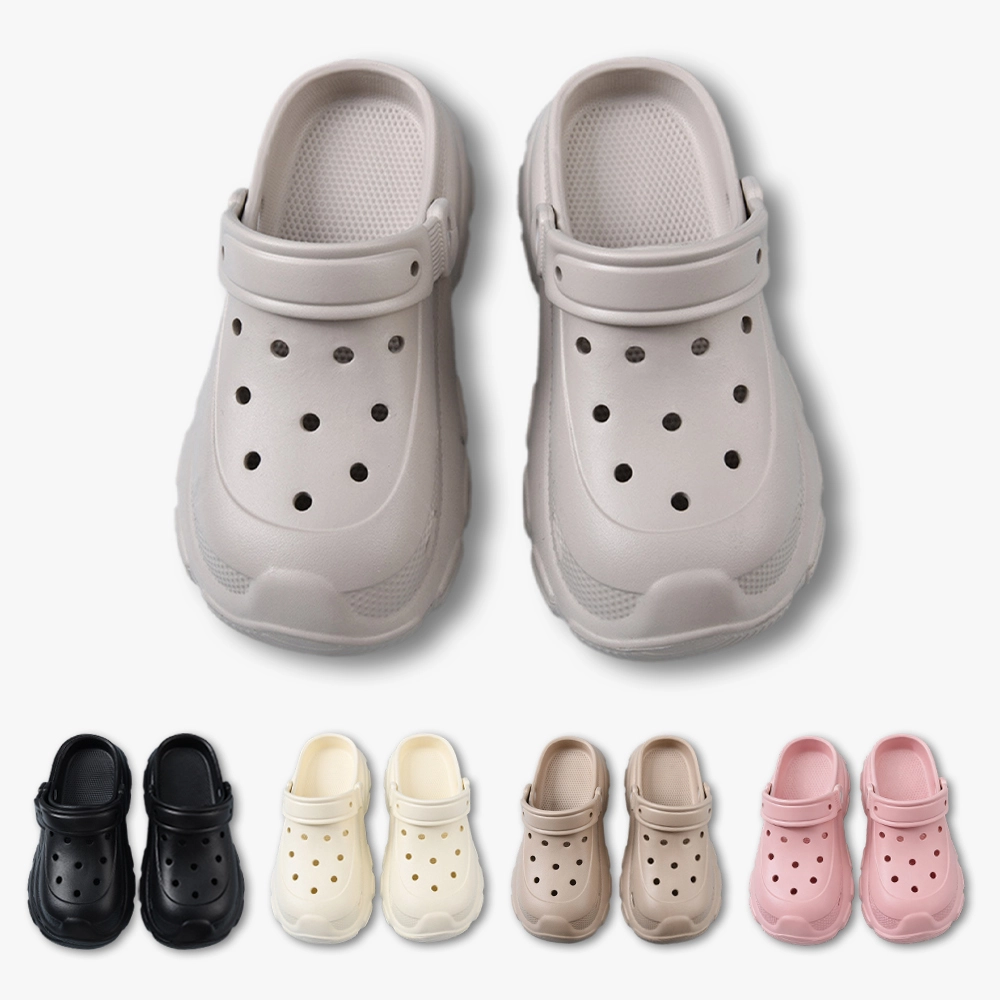
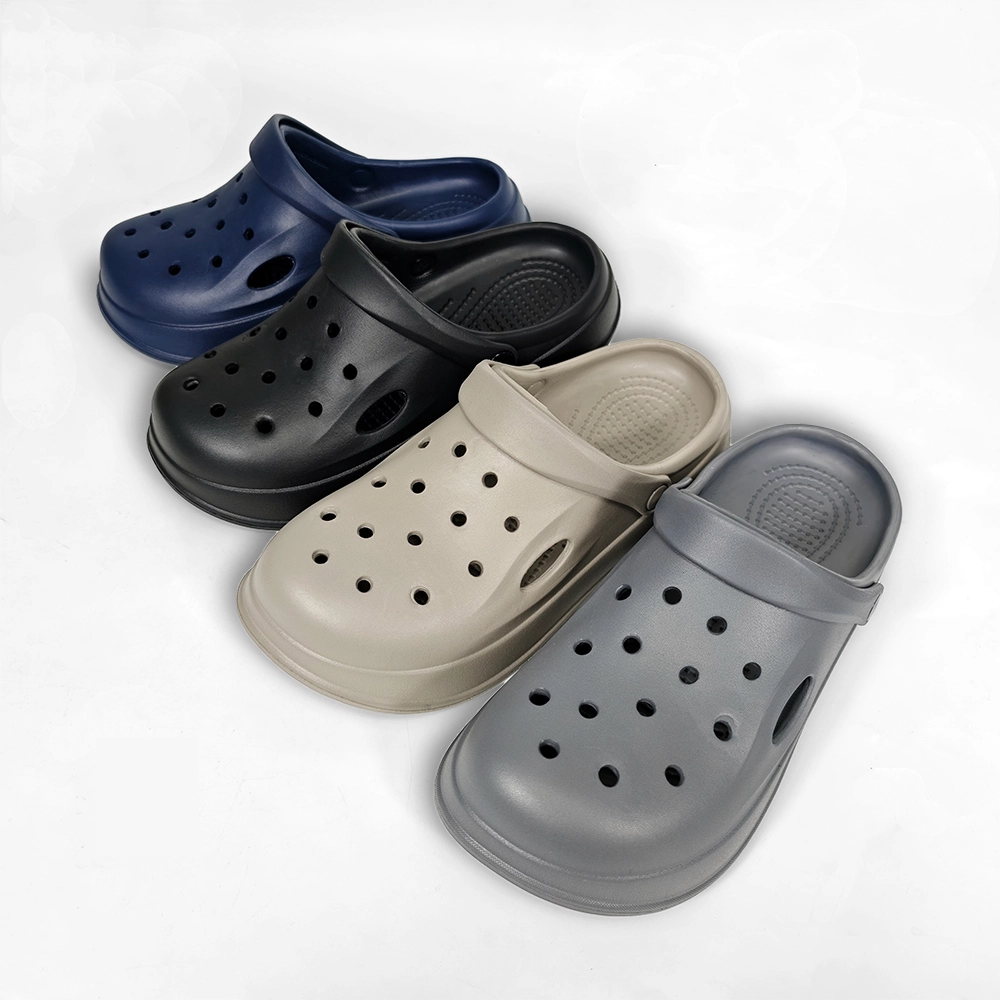
- Crocs-style shoes and accessories
- Full OEM/ODM services from design to mass production
- Flexible customization in colors, patterns, materials, and functions
With strong R&D capabilities and efficient production, Mingyi helps brands launch competitive custom slippers quickly and reliably.
Looking for a trusted anti-slip slipper supplier? Contact Mingyi today for samples and customized solutions tailored to your market.