By Jame, Product Manager, Mapper Footwear — Jieyang, Guangdong | mappershoe.com
Last updated: August 2026
Custom slippers fail for one of two reasons: the brief was incomplete, or the factory filled the gaps in the wrong direction. Ten factors determine whether your customization project delivers what you actually need — and most buyers only think about three or four of them before placing an order.
This guide covers all ten, in the order they matter. Work through it before your next inquiry and you will ask better questions, get more accurate quotes, and avoid the most common mid-production surprises.
Which Slipper Style Is Right for Your Target Market?
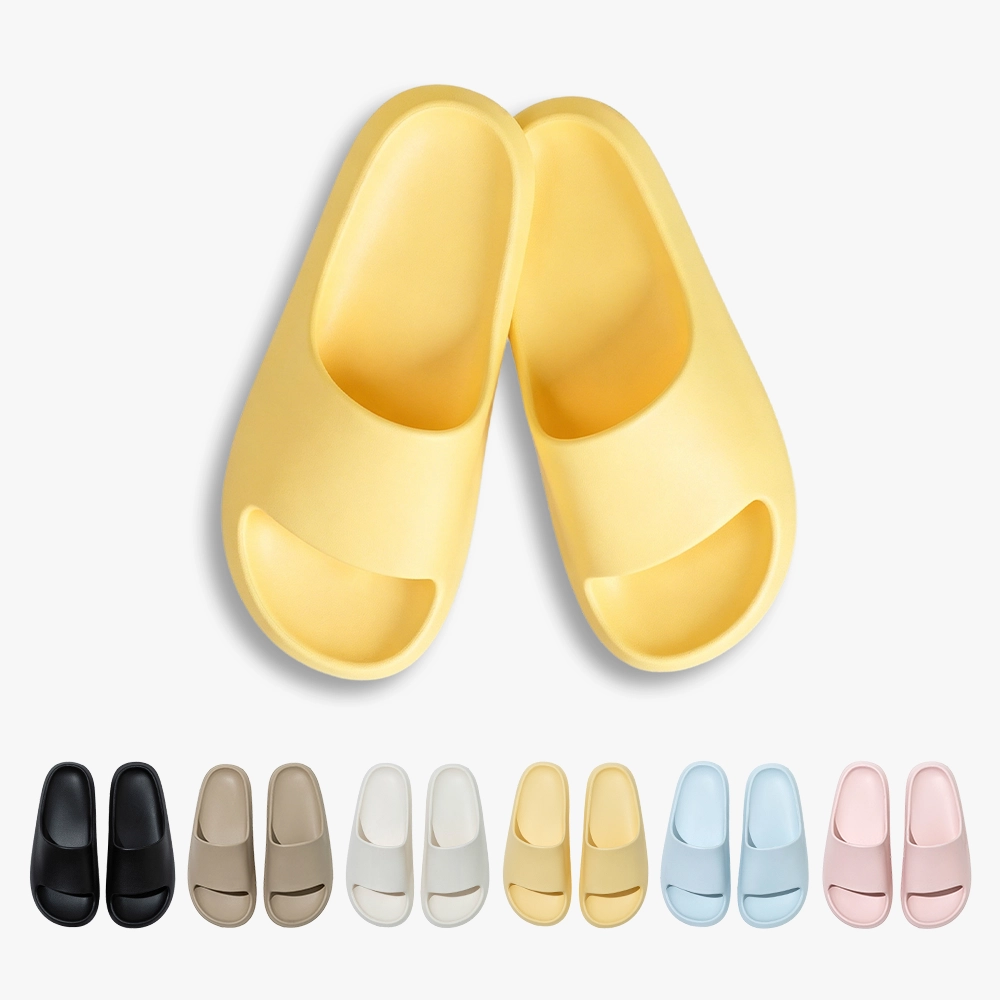
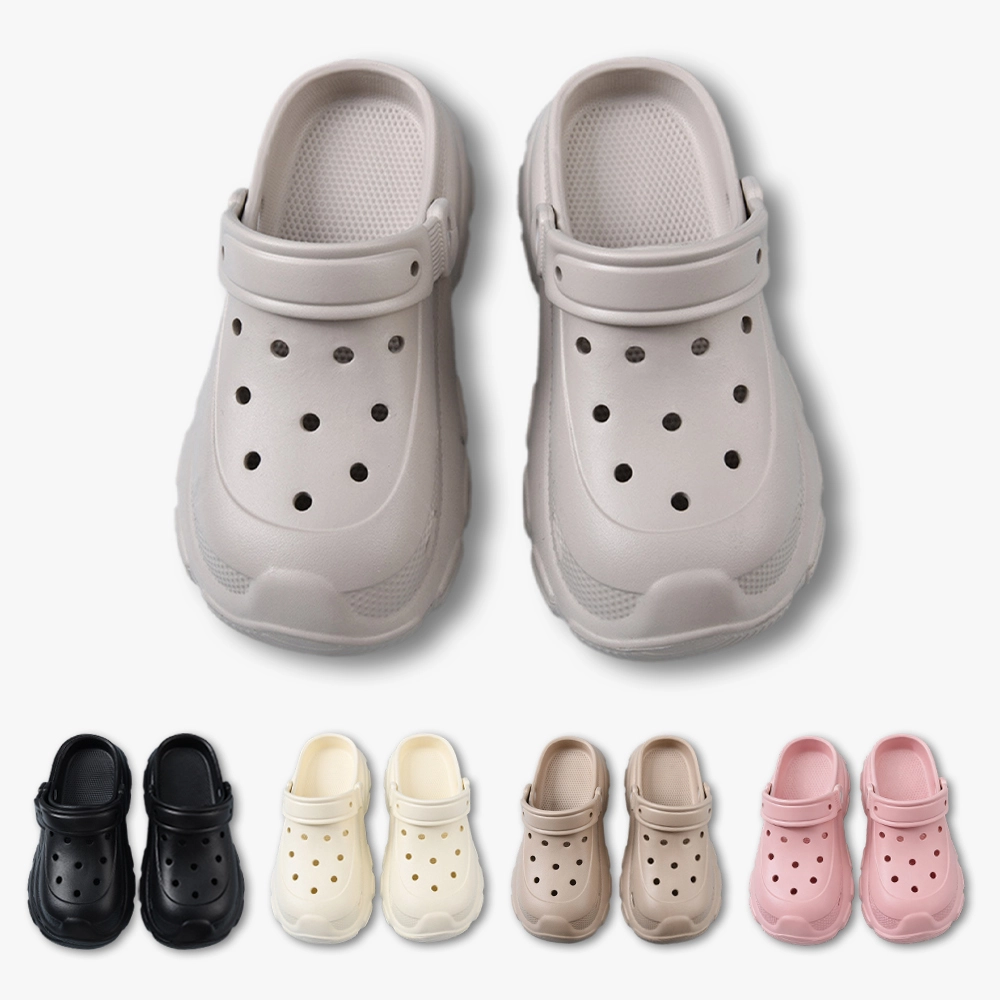
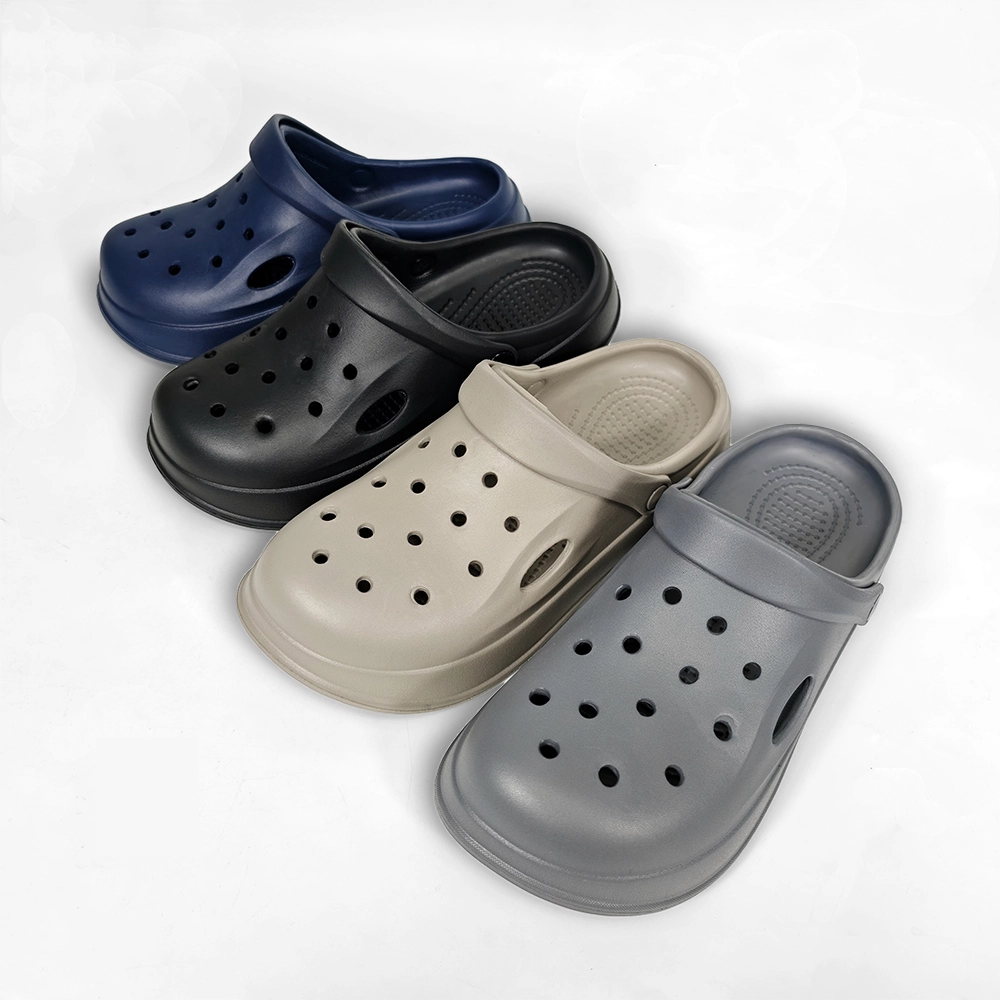
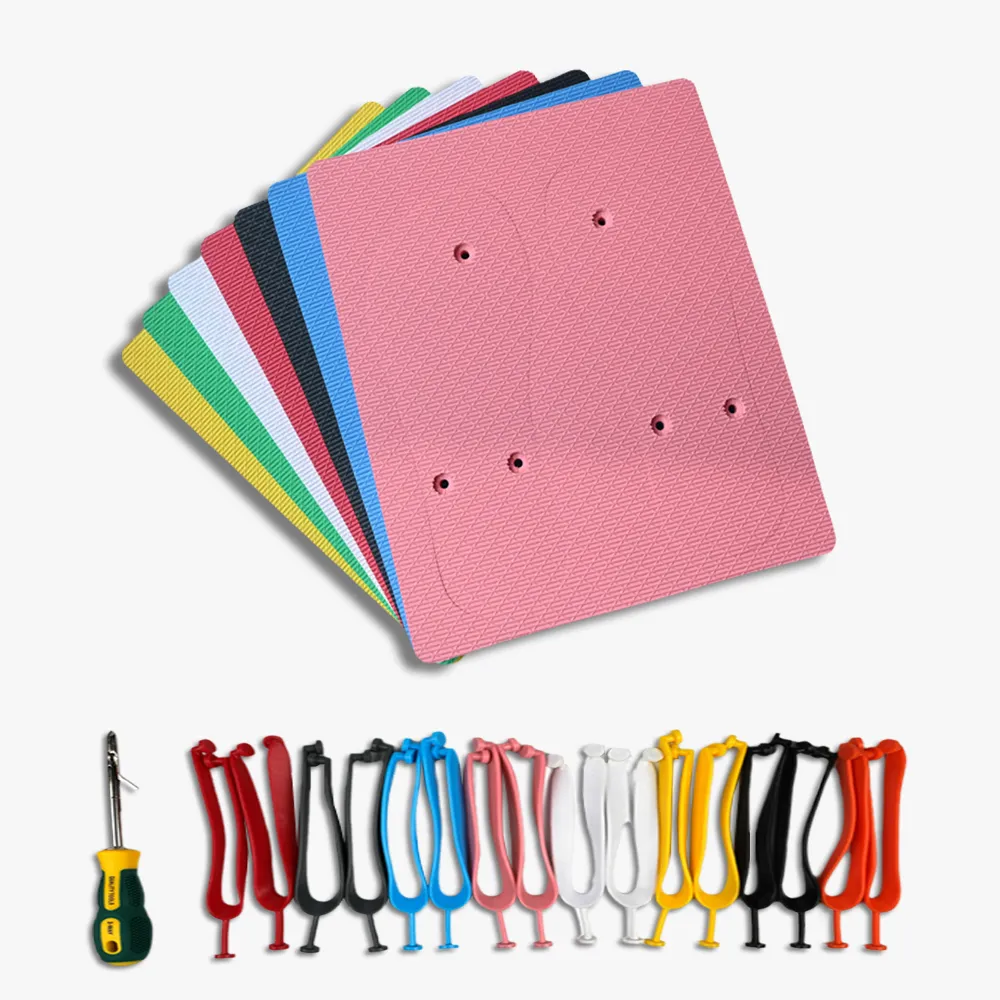
Style is the first decision because it determines every subsequent one. Open-toe slides, closed-toe mules, flip-flops, EVA clogs, and hotel-style flat slippers each have distinct production requirements, material compatibility, and retail positioning.
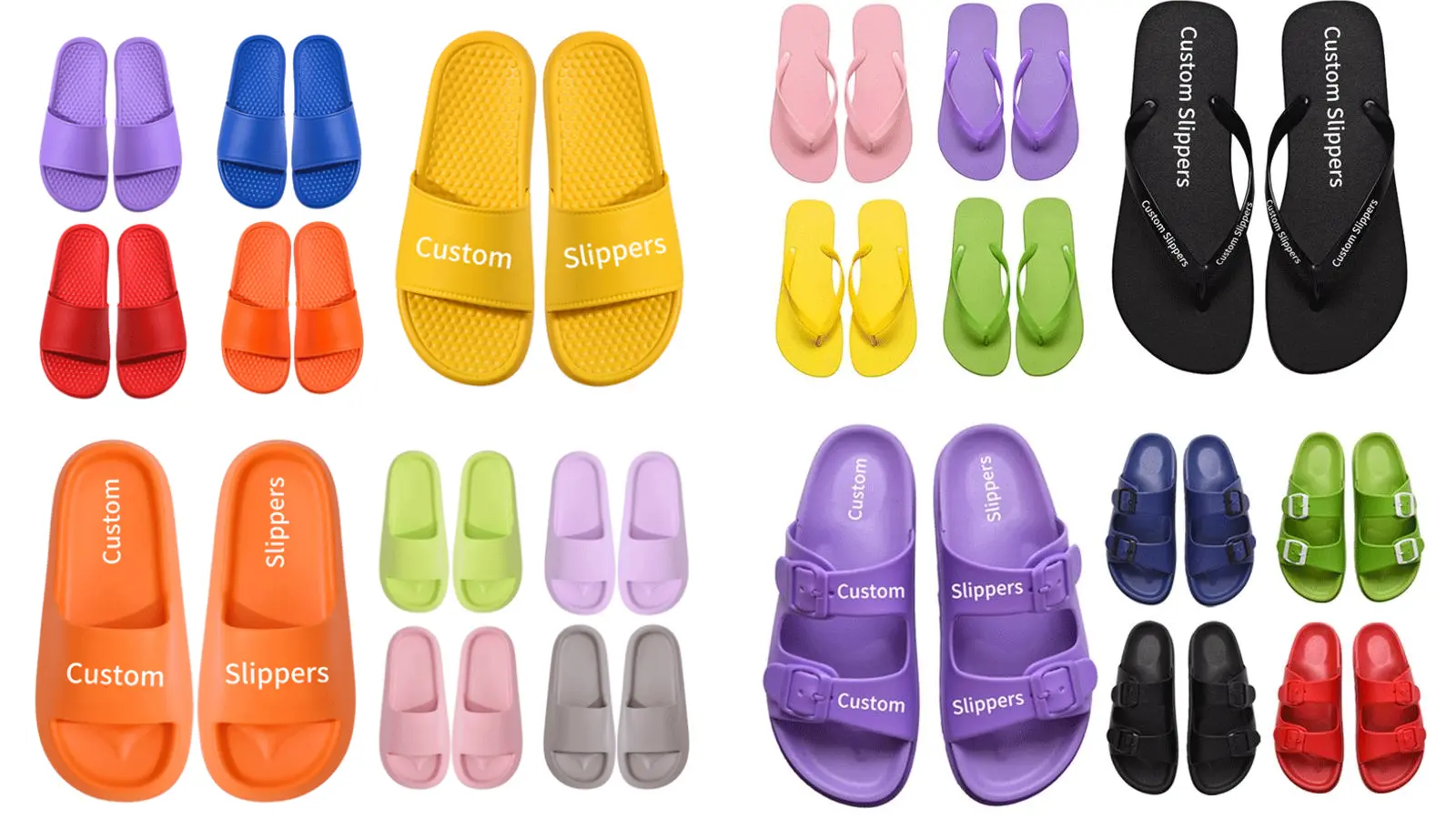
The most common mistake at this stage is choosing a style based on what the buyer personally likes rather than what the end consumer will wear. A foam EVA slide works well for a beachside resort gift; it is the wrong specification for a hospital or care home. A hotel slipper needs to be disposable-compatible and easy to slip on without bending down — a closed-toe style with a firm counter fails both criteria.
Before specifying a style, define the use context: where will the slipper be worn, by whom, and for how long per session. That context should drive the style decision, not the other way around.
PVC or EVA: Which Material Should You Specify for Custom Slippers?
Material selection affects cost, compliance, comfort, and printing compatibility — all at once. PVC offers strong anti-slip performance, good plasticity for complex shapes, and a lower unit cost. EVA offers superior cushioning, lighter weight, and a lower compliance risk profile under EU REACH and US CA65 testing.
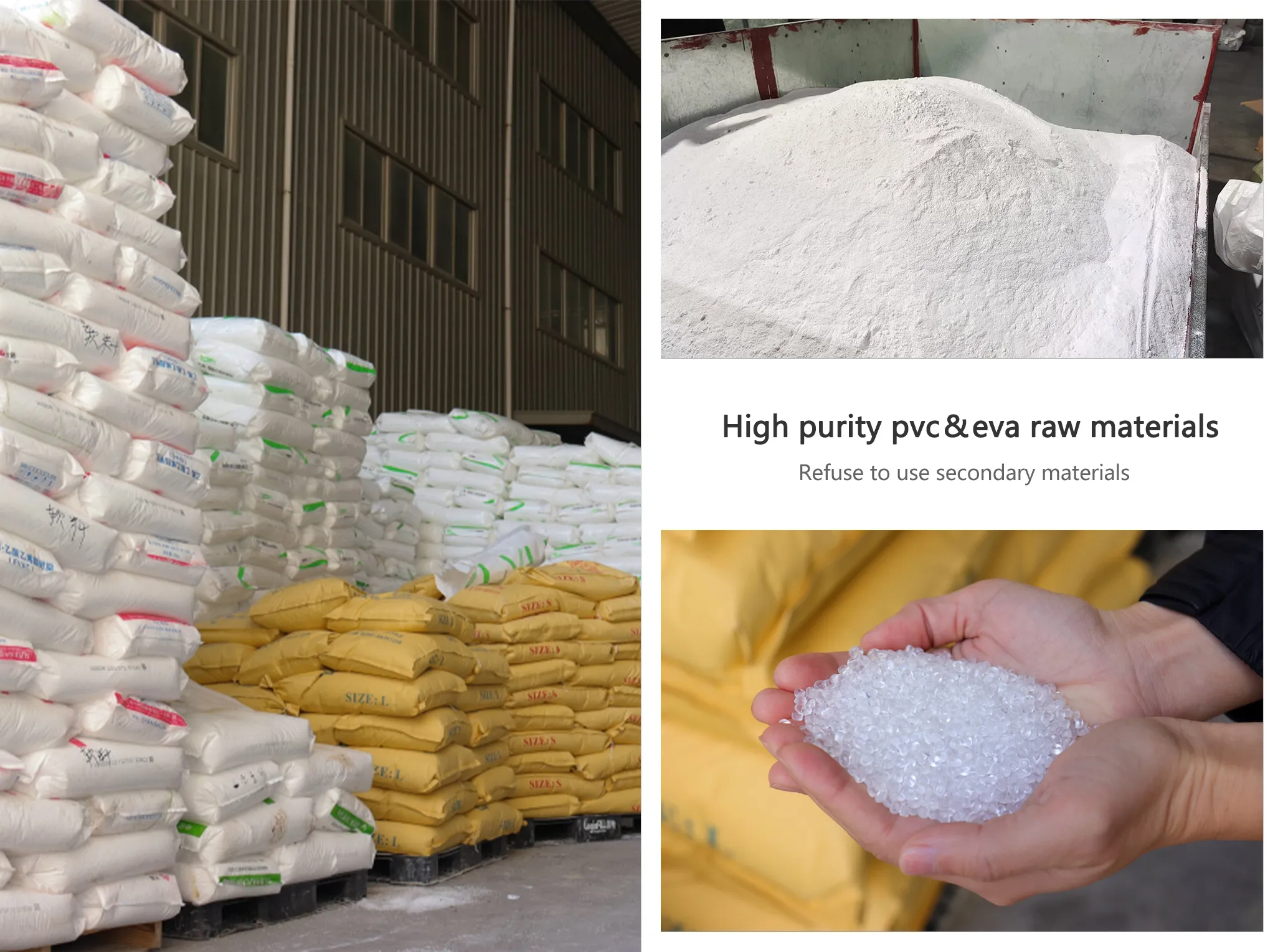
The practical distinction for custom orders: PVC takes color well and handles high-frequency use in wet environments. EVA is better positioned for DTC brands, e-commerce, and any application where end-consumer comfort is the primary review driver. PU upper options are also available for buyers targeting premium retail channels — see our full material comparison for details.
Neither material is universally better. The right choice depends on your channel, your end-use context, and your retail price point. If you are unsure, share your target retail price and distribution channel with us at the inquiry stage — we will recommend the appropriate compound and grade.
For a detailed breakdown, see our PVC vs EVA material guide.
How Do Sole Thickness and Density Affect Custom Slipper Performance?
Sole thickness and compound density are the two variables that most directly affect how a slipper feels underfoot — and they are frequently left unspecified in buyer briefs, which means the factory defaults to its own standard.
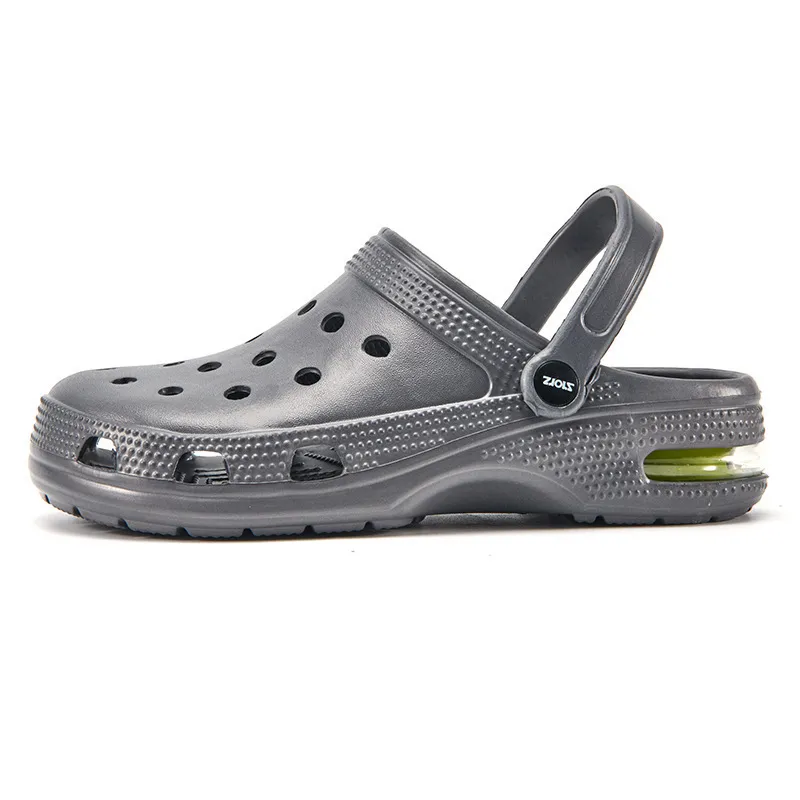
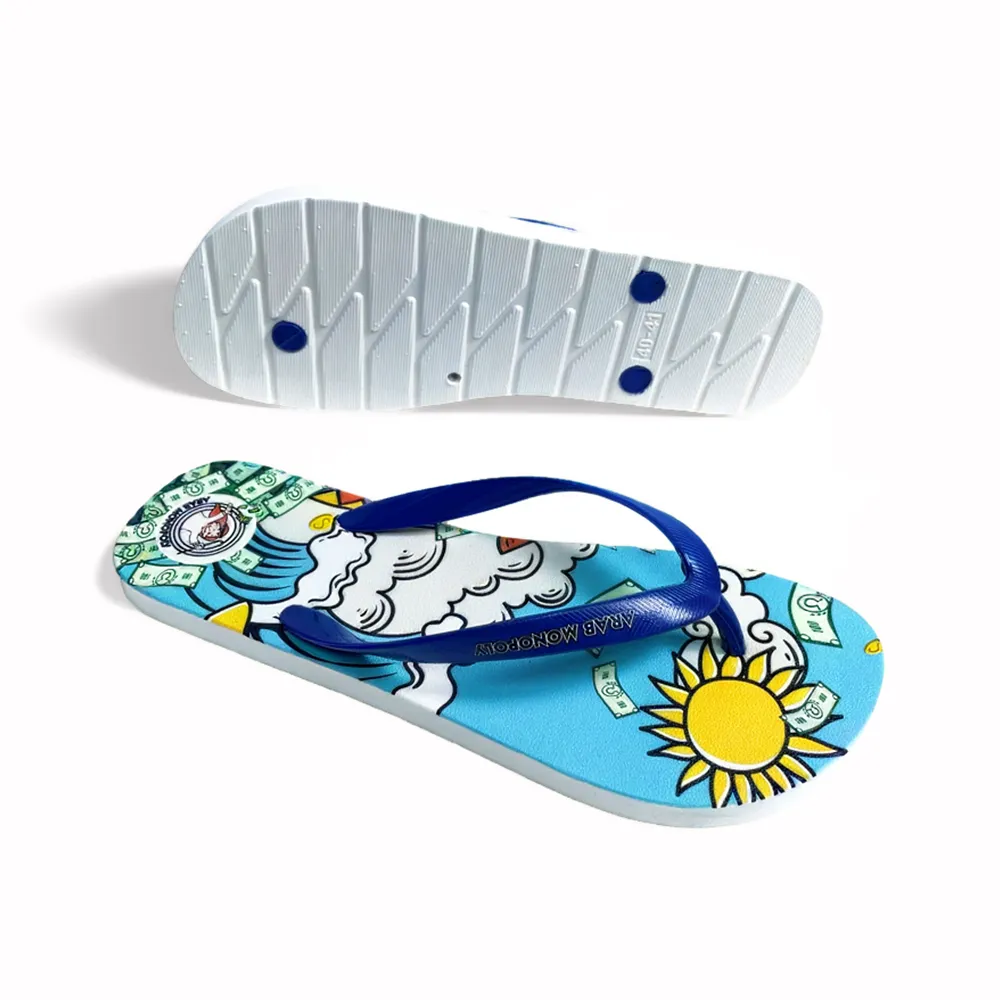
Thickness typically ranges from 15mm to 40mm for casual wear styles. Thicker soles offer more cushioning and a more premium visual presence; thinner soles reduce material cost and are standard for disposable hotel applications. Density — measured in kg/m³ for EVA — determines rebound resilience and durability. A lower density compound feels softer initially but compresses faster with use. A higher density compound is firmer but maintains its profile longer.
If you have a competitor product or reference sample you want to match, share it with us. We can measure the existing sole specification and replicate or improve on it. If you are specifying from scratch, tell us the intended wear duration per day — casual versus active use implies very different density requirements.
What Sole Pattern Design Best Suits Your Application?
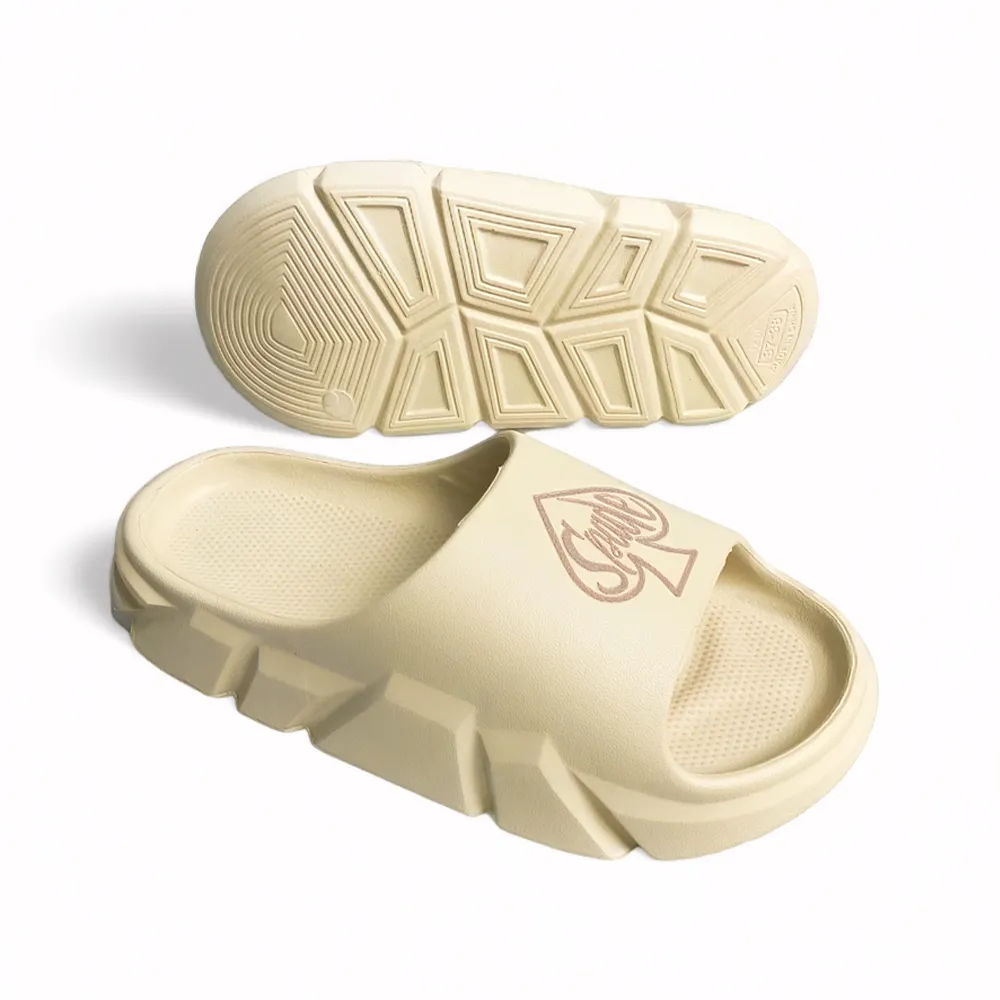
The sole pattern is the primary determinant of anti-slip performance — and it is also a customizable branding surface that most buyers overlook. Standard geometric patterns (hexagons, diamonds, wave lines) are available without tooling cost. Custom sole patterns require mold modification or new tooling and are subject to minimum volume requirements.
For anti-slip applications — hotel bathrooms, pool surrounds, spa facilities — the key variables are tread depth and pattern spacing. Deeper grooves and wider spacing channel water more effectively on wet tile. A shallow decorative pattern may look refined but performs poorly in wet conditions.
If anti-slip performance is a requirement, tell us the specific surface type and environment at the inquiry stage. We will specify the appropriate tread geometry and, where required, recommend third-party wet-grip testing before bulk production.
For more detail on anti-slip performance by material and pattern type, see our anti-slip slipper guide.
How Does Upper Material Choice Affect Comfort and Customization?
The upper — the part of the slipper that contacts the top of the foot — determines both comfort perception and customization range. EVA one-piece construction (where upper and sole are molded together) offers a clean, seamless look and is the most cost-efficient option for most wholesale buyers. Fabric uppers add softness and breathability, and are standard for warm indoor slippers and closed-toe styles. PU upper options are available for buyers seeking a leather-adjacent surface feel without leather’s compliance and sourcing complexity.
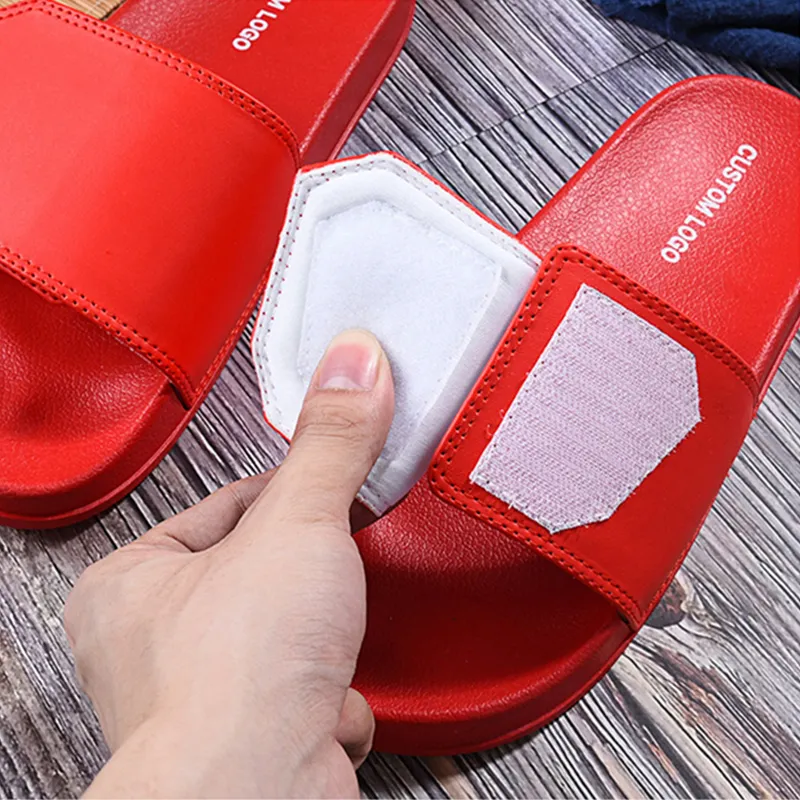
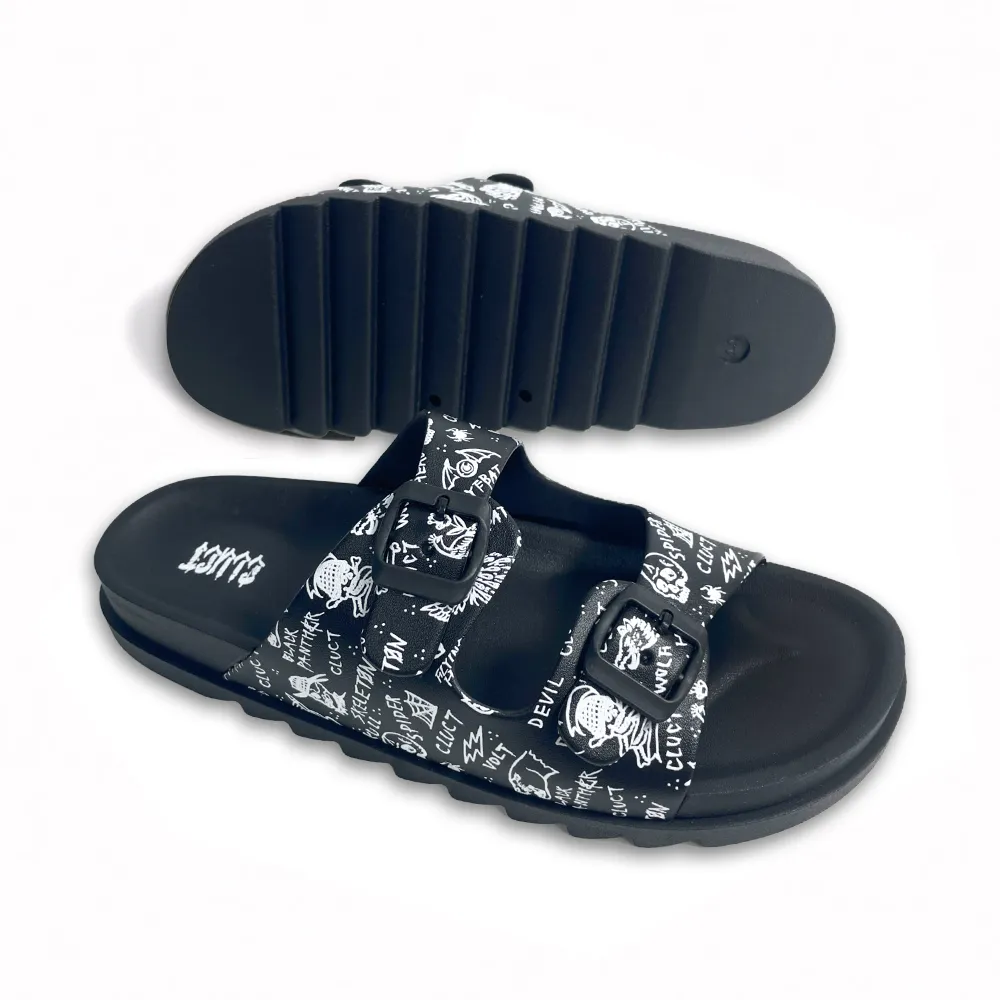
Upper material also determines which printing and branding methods are applicable. EVA surfaces support embossing, UV printing, and heat transfer. Fabric surfaces support embroidery, screen printing, and woven label attachment. PU surfaces support embossing and logo debossing without ink. Specifying your upper material early allows us to advise which branding options are available for your specific combination.
When Do Decorative Elements Add Value to Custom Slippers?
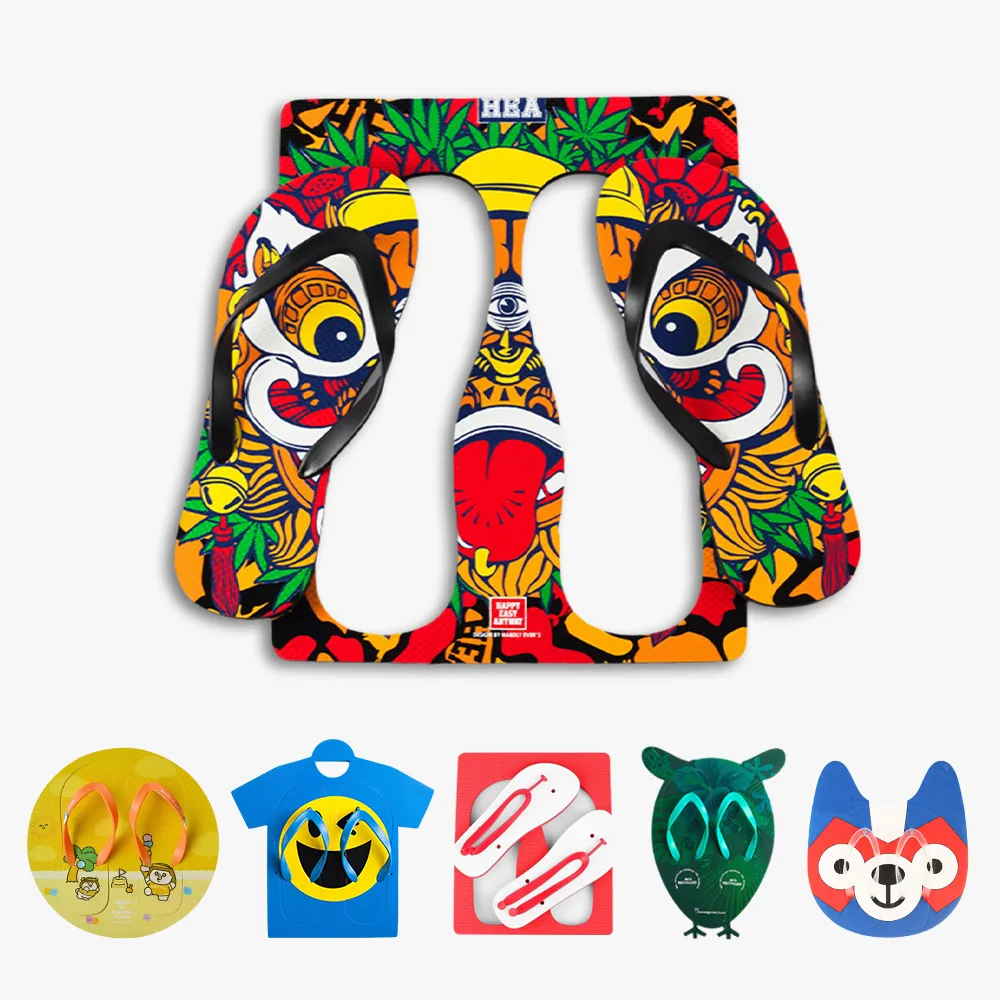
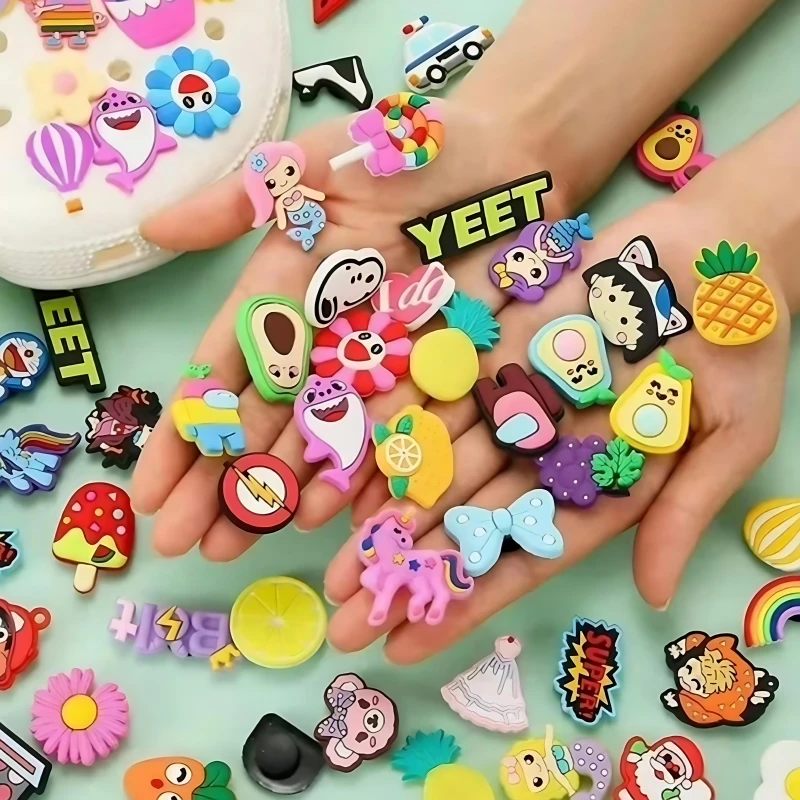
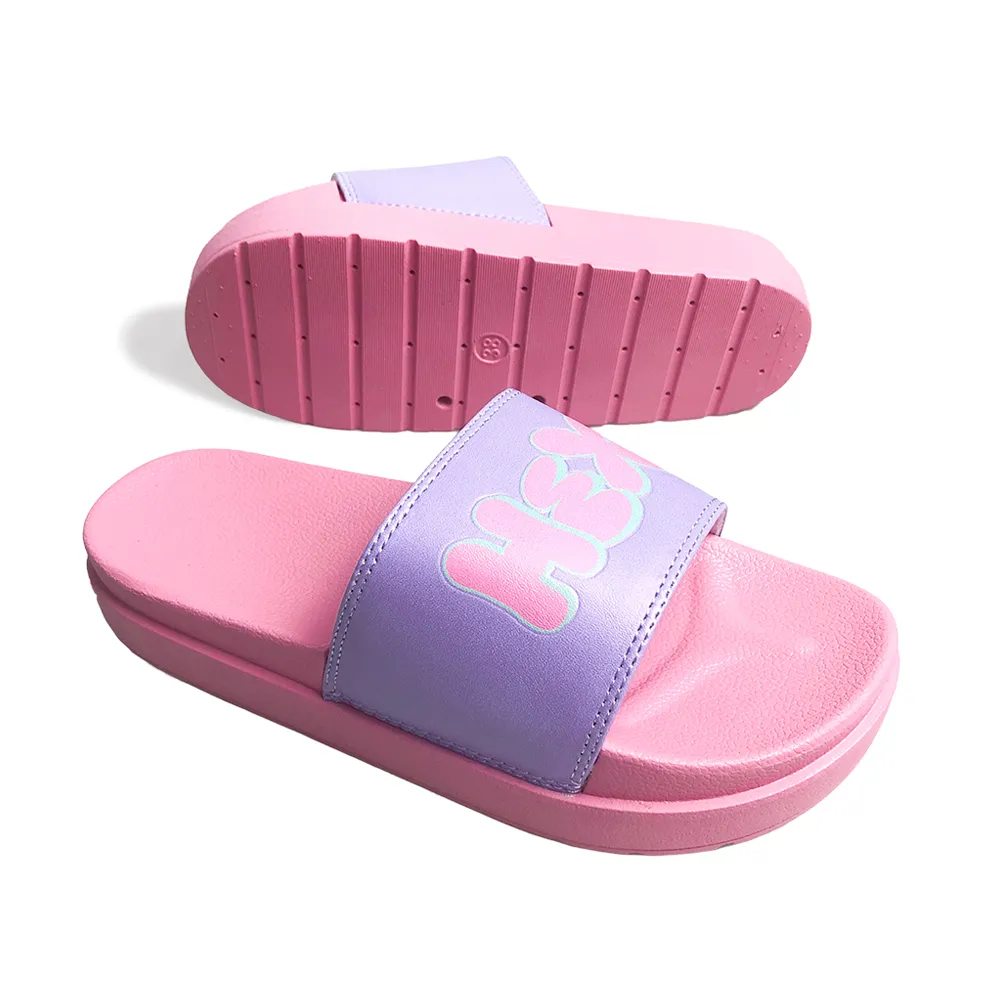
Shoe upper decorations can significantly enhance brand recognition and product appeal. Especially in children’s slippers and trendy Crocs shoes, adding personalized shoe decorations, logo buckles, and cartoon patterns can create stronger visual recognition and fun.
Size Range
Our production covers US sizes 9C through 14, spanning children’s and adult ranges. The EU equivalent runs approximately from EU 26 (children’s) through EU 48 (adult). For most wholesale programs, buyers specify a subset of this range based on their target demographic.
Two things worth knowing: first, children’s sizes (US 9C through approximately 3Y, EU 26–35) trigger different compliance requirements in the US market — CPC certification from a CPSC-accredited lab is mandatory, not optional. Second, size consistency across a production batch is a quality metric we track internally — dimensional tolerance of ±3mm per size is our standard, and we document this in QC reports available on request.
Color Coordination
Color specification is one of the most common sources of mid-production disputes — and almost all of them are preventable with the right brief upfront. We maintain 14 standard stock colors available for immediate light customization with logo printing, with a MOQ of 2 pairs per color. Custom Pantone color matching is available with a MOQ of 100 pairs per color.
The critical thing buyers need to understand: a Pantone reference number and the finished color on a molded EVA or PVC surface are not the same thing. Pigment mixing, heat processing during molding, and the base material color all affect the final result. A color that matches the Pantone card precisely in a lab setting may read differently in natural light on a finished sole.
Our process for custom color orders: we produce physical color samples, photograph them against the Pantone reference under controlled indoor lighting and outdoor natural light, and share both sets of images for remote confirmation before bulk production begins. We do not proceed to bulk on color-sensitive orders without documented client sign-off on a physical sample. If your color brief is particularly precise — adjacent shades, custom brand colors, or colors that read differently under retail lighting — tell us at the inquiry stage so we can build the appropriate confirmation time into the timeline.
Logo Customization and Printing Techniques
Logo application method is determined by three variables: the upper material, the design complexity, and the required durability. There is no single best method — the right choice depends on what you are trying to achieve.
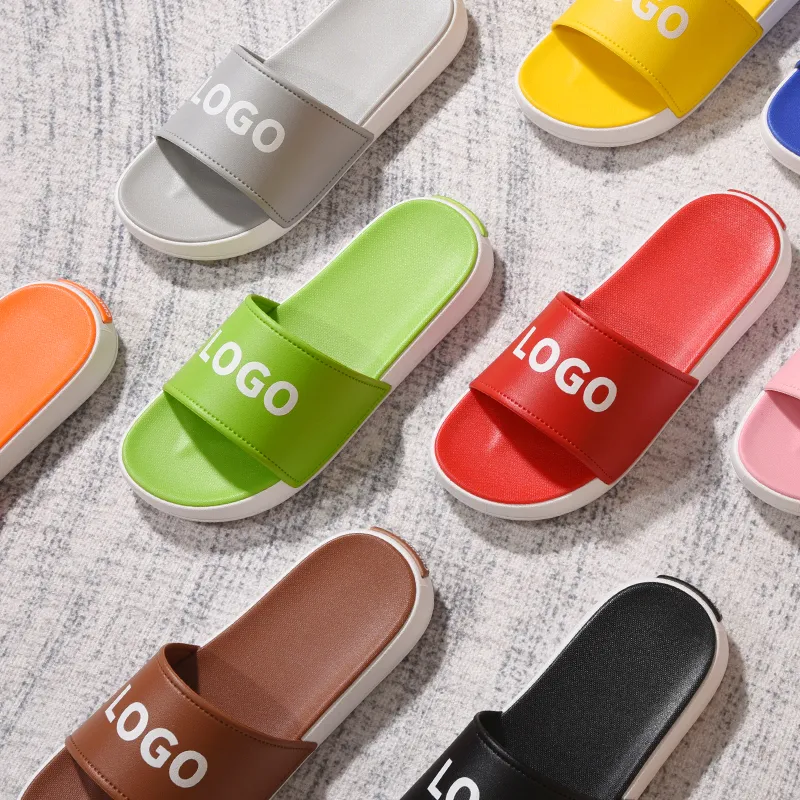
Screen printing handles bold single or two-color logos on EVA and fabric at scale. Thermal transfer covers complex multi-color designs and photographic gradients. Embossing produces a tactile, premium result on EVA and PU uppers without ink — ideal for minimalist brand marks. Laser engraving delivers precise fine-line logos on EVA surfaces with permanent results. 3D drip printing adds dimensional raised logos, suited to gift and exhibition pieces. Embroidery is available for fabric uppers on warm slipper styles.
For a full breakdown of all six methods with cost and durability comparisons, see our slipper printing methods guide.
How Does Packaging Affect the Perceived Value of Custom Slippers?
Packaging is the last decision most buyers make and the one that most directly affects how the end consumer perceives the product. A well-specified slipper in a generic OPP bag reads as commodity. The same slipper in a branded kraft box or a custom gift bag reads as premium — even if the product inside is identical.
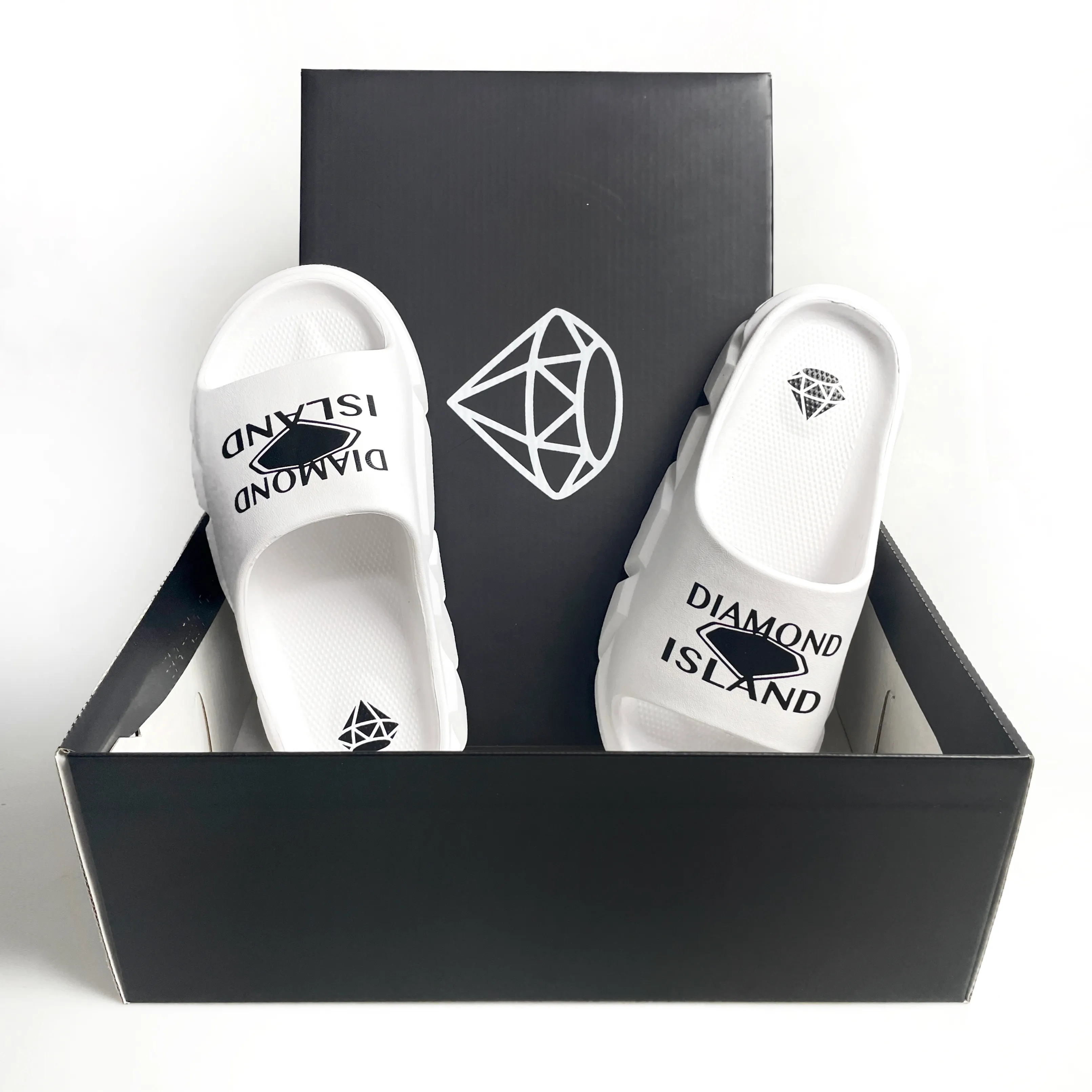
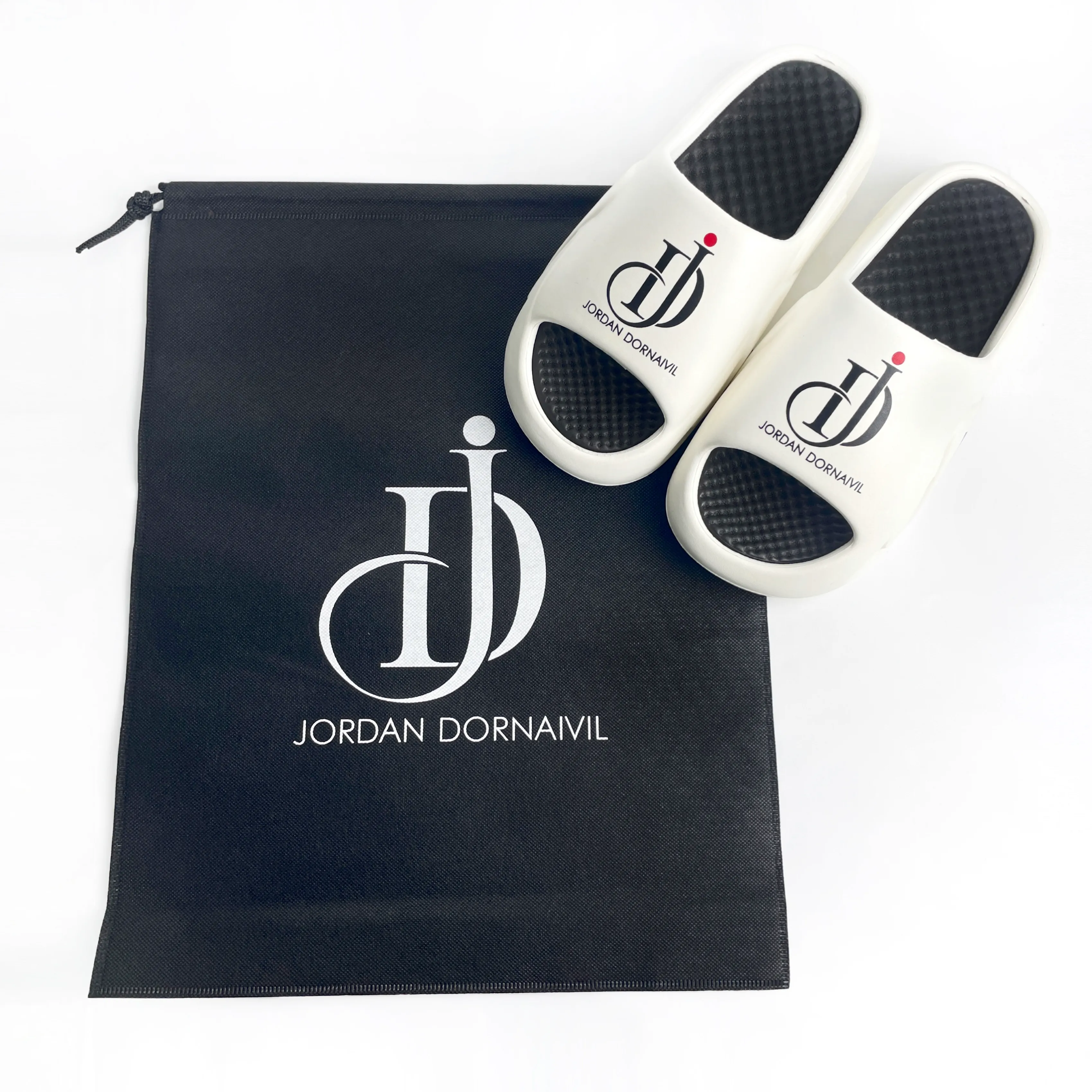
We support all standard footwear packaging formats: OPP bags, non-woven bags, kraft paper boxes, rigid gift boxes, custom printed cartons, and shrink wrap configurations. Packaging customization — printed branding, custom dimensions, insert cards — is available with a MOQ of 100 units. Standard stock packaging has no separate minimum.
One practical note: packaging weight and dimensions affect your carton CBM and therefore your freight calculation. If you are cost-sensitive on logistics, share your freight destination at the inquiry stage and we will help you optimize the packaging specification for shipping efficiency without compromising the unboxing experience.
Ready to Start Your Custom Slipper Project?
At Mapper Footwear, we support customization across all ten dimensions covered in this guide — from material and sole specification through to logo printing and packaging design. If you have a project brief, send it to us and we will tell you what is achievable, at what cost, and on what timeline.
- Visit mappershoe.com — browse our standard catalog and customization options.
- Send your brief — include style, material preference, quantity, target market, and any compliance requirements. We respond within 1 business day.
- Request samples — stock color styles from 2 pairs. Custom color and full OEM samples subject to MOQ and development timeline.
For urgent inquiries: WhatsApp +86 183 1221 8218
Follow us: Instagram · TikTok · YouTube
About the Author
Jame is a Product Manager at Mapper Footwear, an integrated manufacturer and trading company in Xianqiao, Jieyang. 2,000 sqm facility · 60+ staff · 10,000 pairs/day capacity · 40+ specialist machines. Products span EVA slippers, PVC flip-flops, PU upper styles, warm slippers, and garden shoes — certified to CA65, EU REACH, and RoHS. GCC and CPC available for US-bound shipments. Six years managing wholesale export for buyers across Europe, North America, and Korea.
Related reading:
- PVC vs EVA Slippers: Which Material Is Right for Your Market?
- Six Slipper Printing Methods Explained
- Anti-Slip Slipper Guide for Buyers
- Wholesale Slipper Manufacturer: Why Buyers Choose Mapper Footwear
Follow Mapper Footwear: Instagram · TikTok · YouTube · Facebook · WhatsApp +86 183 1221 8218 · mappershoe.com