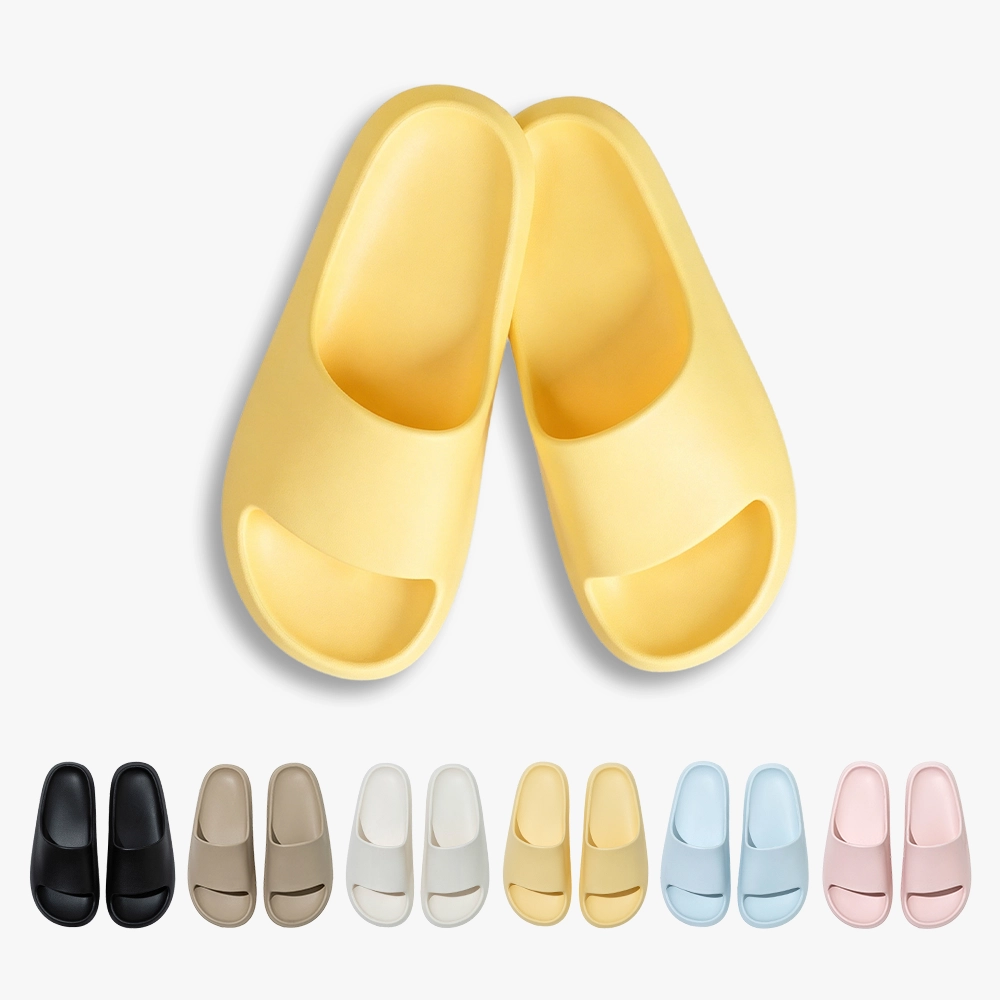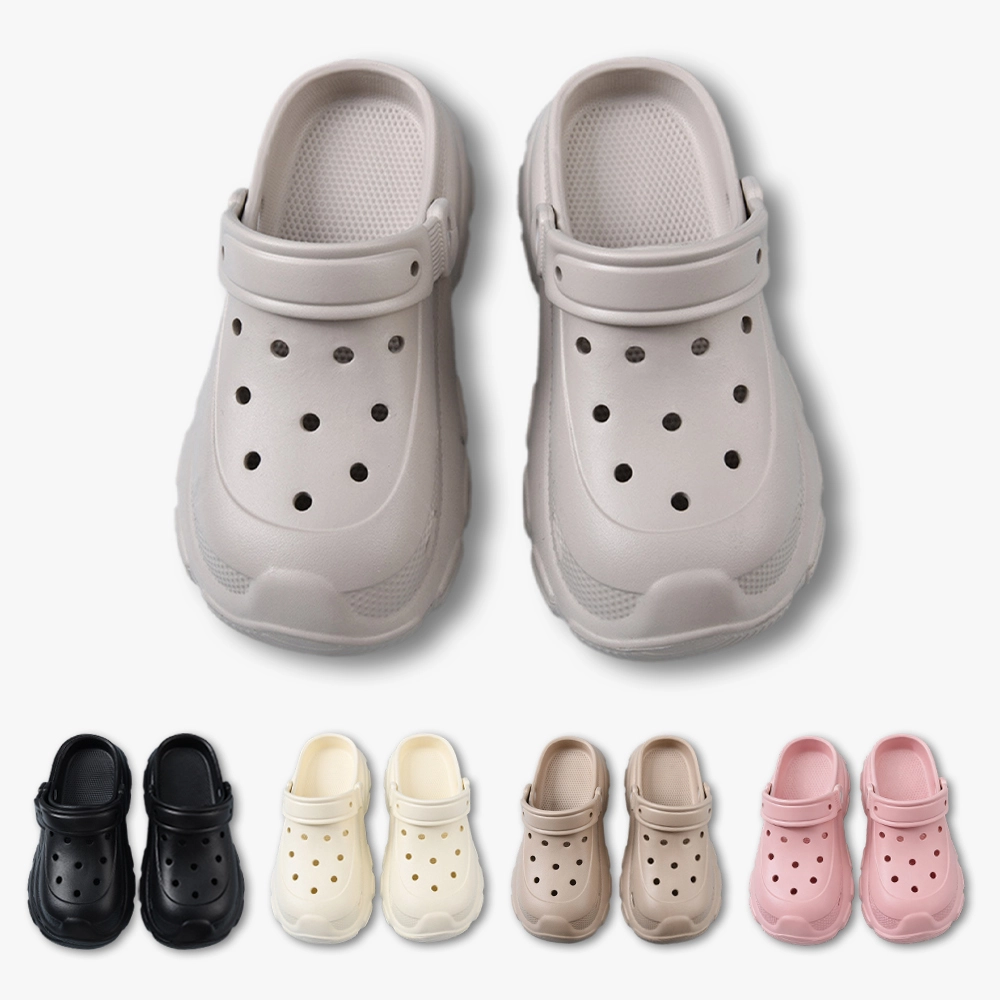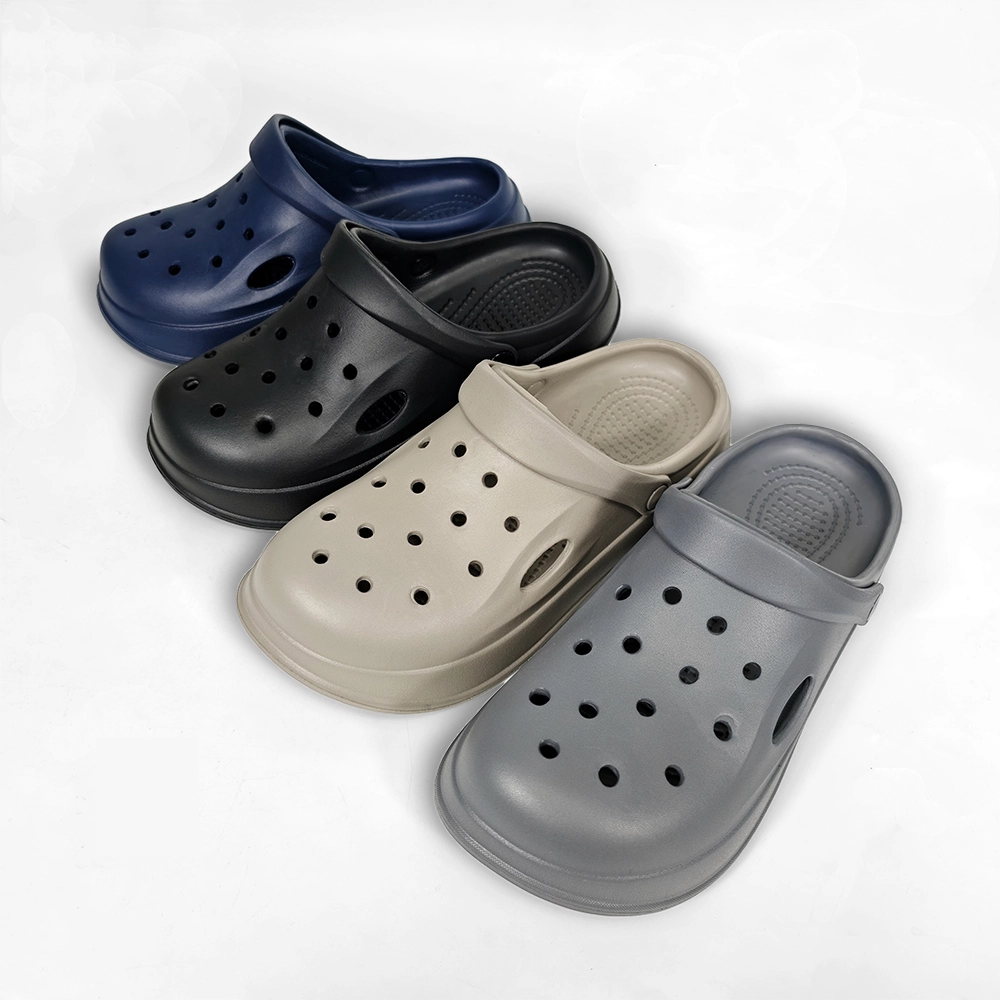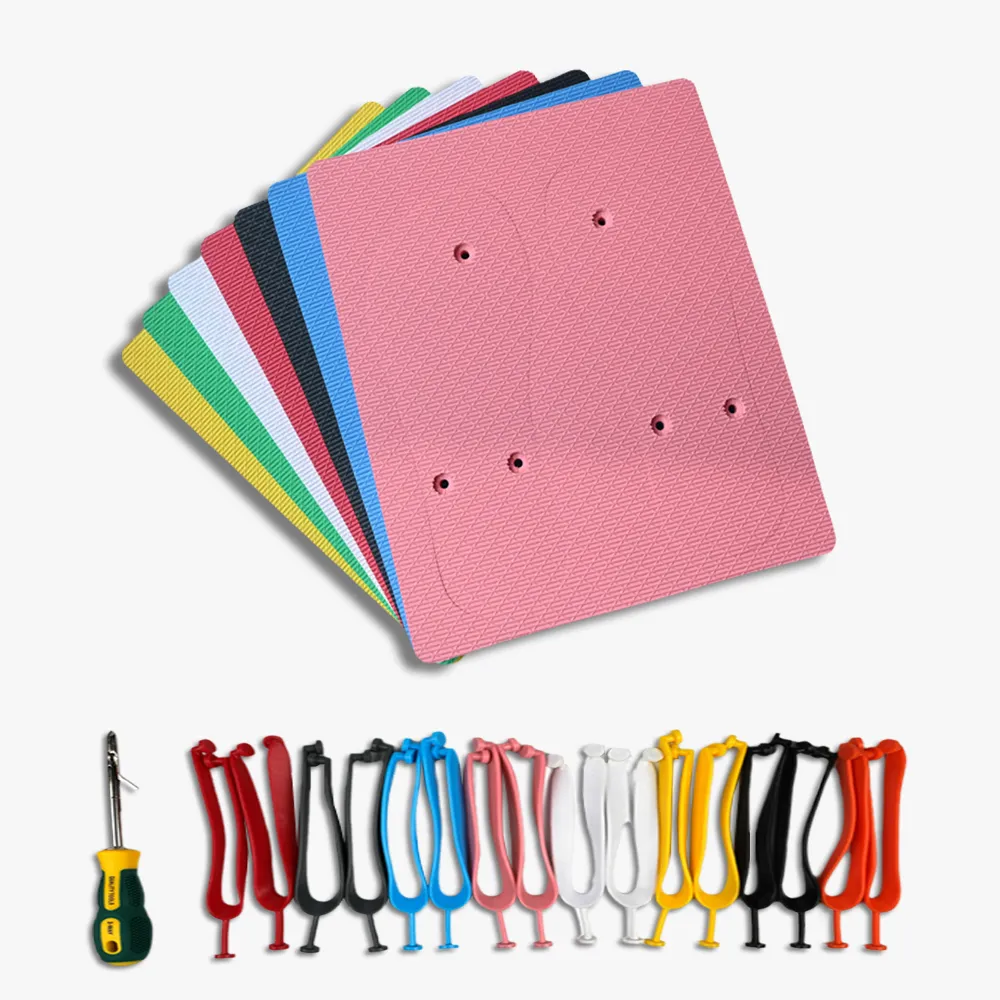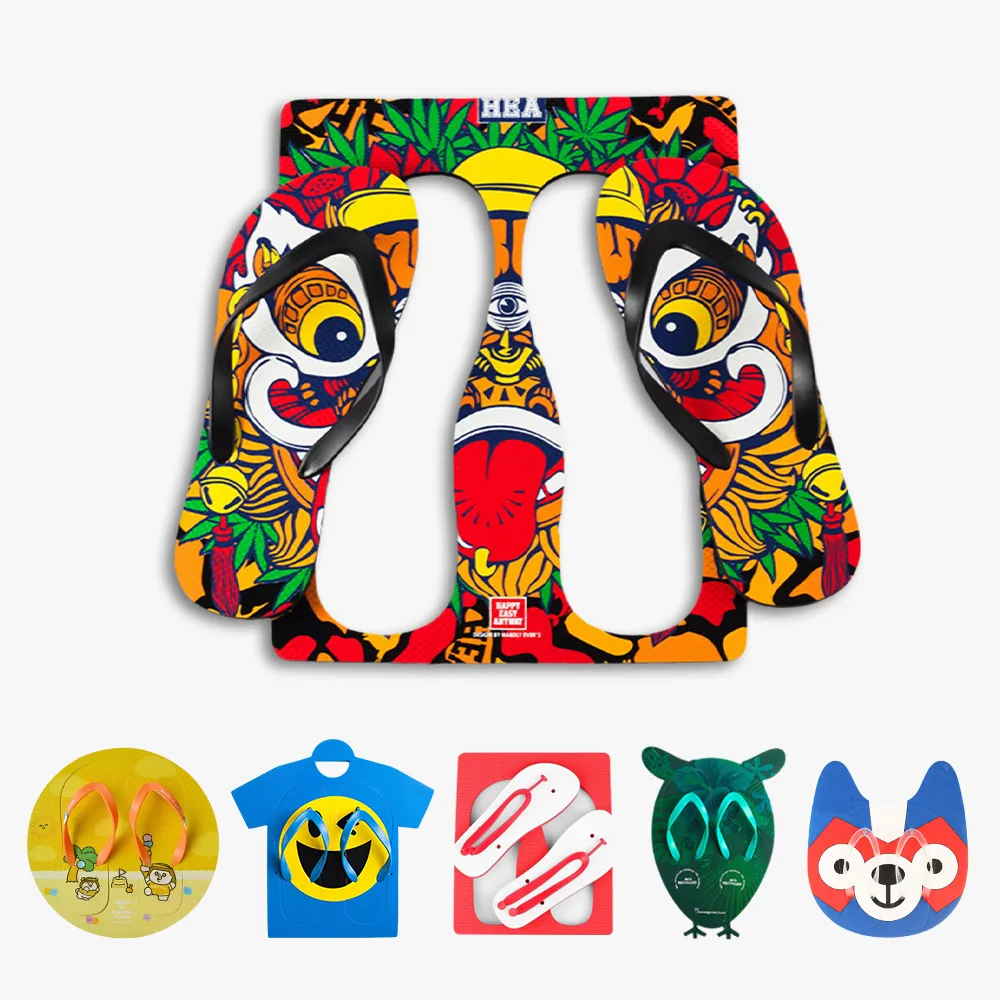
I have spent six years inside a slipper factory doing product development and export. I have seen buyers pay for mistakes that were completely avoidable. This guide is what I tell buyers before they start.
Wholesale slippers from China requires you to understand factory logistics, city-level supply chains, compliance rules, and real cost structures. This guide covers how to find reliable manufacturers, why direct factory sourcing wins, and how to avoid the most common purchasing mistakes.
The global slipper market generates over $20 billion in annual sales and keeps growing. China supplies roughly 70% of the world’s wholesale volume[^1]. For buyers, this means supply is abundant. But it also means the gap between the lowest quality and the highest quality at similar price points is enormous. How you navigate that gap decides whether you profit or lose money year after year.
I have worked with U.S. chain retailers, European designer brands, private-label importers, and Amazon FBA sellers. Some of them make sharp decisions. But many more pay for errors they could have avoided with better information. This article gives you the factory perspective — where money leaks, what separates buyers who grow margins from buyers who repeat the same problems, and how to position yourself before you place your first container order.
How Do I Find a Reliable Slippers Manufacturer?
Most buyers start on Alibaba. They compare price sheets, send inquiries, and pick the lowest quote. This is the fastest way to end up with a supplier who cuts corners. Finding a reliable manufacturer takes a different approach.
A reliable slipper manufacturer shows material transparency, owns production equipment, provides third-party test reports, and confirms quality through physical samples before bulk production. Verify their factory, not just their sales pitch.
What Should You Verify Before Choosing a Factory?
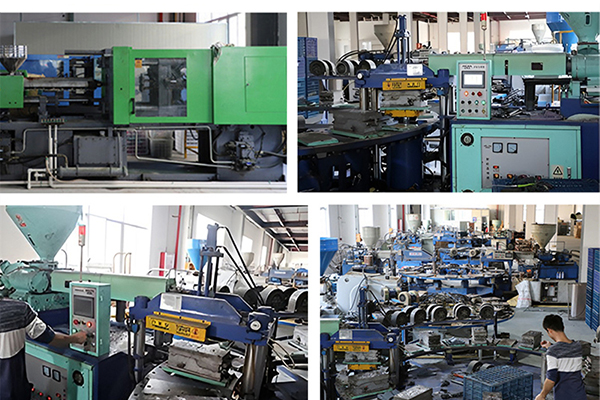
The first thing I tell buyers: request samples before anything else. A relationship built on confirmed physical samples is worth ten times more than a relationship built on product photos. Here is what to check:
| Verification Step | What It Tells You | Red Flag If Missing |
|---|---|---|
| Factory audit or video tour | They own real production lines | Only show showroom photos |
| Material spec sheets | They control input quality | Cannot name material suppliers |
| Third-party test reports (SGS, BV) | Products meet compliance standards | Refuse or delay providing reports |
| Sample with your specs | They can execute custom work | Only offer catalog items |
| Production timeline in writing | They manage capacity honestly | Vague promises like “very fast” |
I have seen buyers skip sample confirmation to save two weeks. They end up losing two months dealing with defective bulk orders. At our factory, we encourage every buyer to go through the sample stage fully — check size, weight, color accuracy, and packaging. We share production data in real time because we want buyers to see exactly how their product is made.
A reliable factory also tells you what they cannot do. If a factory says yes to everything — every timeline, every MOQ, every price — that is a warning sign. Real manufacturers have constraints. They tell you about mold lead times, minimum fabric cuts, and batch efficiency limits. That honesty protects both sides.
Why Does Material Transparency Matter?
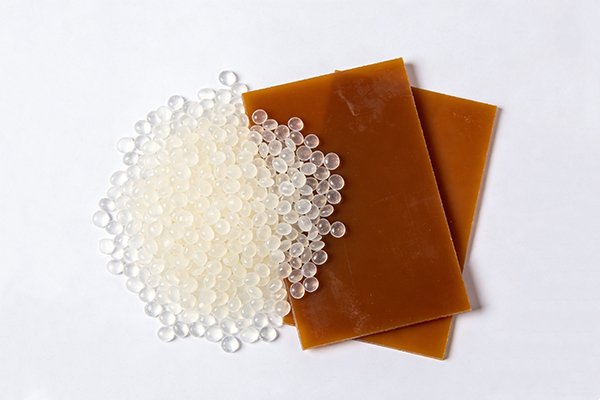
At our factory, PVC, EVA materials, upper fabrics, and adhesives all come from established suppliers we have worked with for years. We can provide material specifications, origin information for key inputs, and third-party testing reports on request. For European buyers managing REACH compliance, this is not optional — it is mandatory.
Factories that cannot tell you where their materials come from are factories that cannot guarantee what is in your product. When a customs authority in Hamburg or Los Angeles pulls your shipment for testing, “I don’t know” is not an answer that saves your goods.
What Is the Best Slipper Manufacturing City in China?
China has several footwear production clusters. But for slippers specifically, the answer is clear. If you are buying PVC or EVA slippers, flip-flops, or garden shoes, one city dominates.
Jieyang City in Guangdong Province is China’s largest slipper manufacturing base. Its Xianqiao Town alone concentrates hundreds of slipper factories, complete supply chains, specialized mold makers, and raw material suppliers — all within a few square kilometers.
Why Does Geographic Concentration Matter for Buyers?
When factories, mold makers, material suppliers, and packaging companies all exist in the same small area, three things happen that directly benefit buyers:
| Advantage | How It Helps You |
|---|---|
| Shorter lead times | Materials arrive same-day, not cross-province |
| Lower logistics cost | No long-haul trucking between production stages |
| Competitive pricing | Dozens of suppliers competing keeps costs honest |
| Specialized labor pool | Workers trained specifically for slipper production |
| Faster sampling | Mold shops and material suppliers are walking distance away |
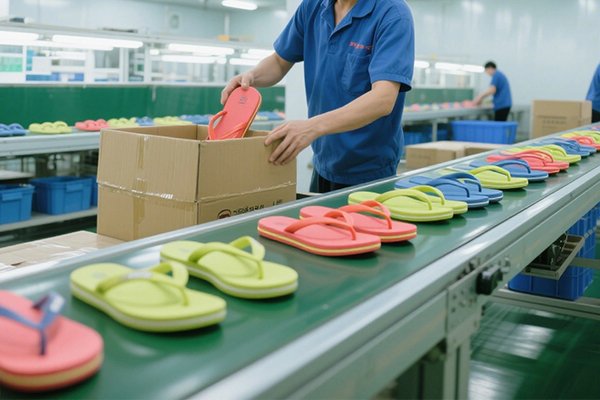
Our factory sits in Xianqiao Town, Jieyang. We occupy about 2,000 square meters with over 60 workers and more than 40 specialized machines — injection molding machines, UV printers, high-frequency welding machines, and assembly lines. Our daily capacity reaches 10,000 pairs. This concentration is not accidental. It exists because the entire ecosystem for slipper production evolved here over decades.
For buyers, this means when you work with a Jieyang factory, you are plugged into the deepest supply chain for this product category in the world. Need a last-minute material swap? The supplier is down the road. Need a new mold cut? The mold shop is five minutes away. This speed and flexibility simply does not exist in cities where slipper production is a side business.
How Does This Compare to Other Footwear Cities?
Wenzhou is known for leather shoes. Jinjiang focuses on sports shoes. Chengdu handles some indoor slipper production. But for PVC and EVA casual slippers, flip-flops, and garden clogs at wholesale volume, Jieyang is where the global supply concentrates. Buyers who source from the right city get better prices, faster samples, and more experienced factories. Buyers who source from the wrong city often find that their “slipper factory” is actually a general footwear factory that makes slippers as a sideline. The quality difference shows.
Why Should We Place Wholesale Orders with Factories Instead of Trading Companies?
This question comes up in almost every initial conversation I have with new buyers. Trading companies are easy to find. They speak good English. They respond fast. But there are things they structurally cannot do for you.
Ordering directly from factories gives you full production transparency, deeper customization options, faster problem resolution, and the ability to request in-line inspections. Trading companies add a margin layer without adding production control.
What Can a Factory Give You That a Trader Cannot?
Here is the real breakdown from my six years on the factory side:
| Capability | Direct Factory | Trading Company |
|---|---|---|
| Raw material visibility | Full specs available | Rarely disclosed |
| Last-minute design changes | Handled same day on production floor | Requires back-and-forth relay |
| Pantone color matching | Done directly with our printing team | Trader relays instructions, errors multiply |
| In-line quality inspection | You or your agent can visit during production | Often blocked or arranged only at end |
| Private label printing (insole, packaging) | Controlled internally | Outsourced, less oversight |
| Cost structure transparency | You see mold cost, material cost, labor | You see one number with hidden margin |
| Problem response time | Immediate — we made the product | Delayed — they need to call the factory first |
When a problem happens — and in manufacturing, problems always happen — the speed of resolution depends on who you are talking to. If you talk to us, the people who run the injection machines and the assembly line, we fix it before the next batch runs. If you talk to a middleman, they first need to understand the problem, then translate it to the factory, then wait for a response. That delay costs you time and money.
What Does Direct Factory Sourcing Require from You?
I want to be honest about this. Direct factory sourcing is not free of requirements on your side:
- Minimum order quantity. Below 100-300 pairs per style, most factories will decline or push you toward stock designs. We have adjusted our MOQ policy to be as flexible as possible for startups and small-batch wholesalers. But real cost floors exist — mold development, minimum fabric cuts, and production batch efficiency mean very low quantities come with higher per-pair costs.
- Time investment in samples. Plan for it. Do not rush this stage.
- Tolerance for lead time reality. We run multiple client orders simultaneously. Q3 and pre-Chinese New Year periods are tight. Buyers who plan 90+ days ahead get better scheduling positions.
- Basic product knowledge. The more you understand about materials and processes, the more clearly you communicate requirements, and the better we can serve you.
These requirements are not barriers. They are the cost of getting a better product at a better price with more control. Buyers who accept this trade-off build partnerships that last years and grow in value every season.
What Are the Risks of Bulk Purchasing Slippers?
This is the section most supplier guides skip. But I believe buyers who understand these risks become better long-term partners. That benefits both sides. Here are the mistakes I see most often — and how to avoid each one.
The biggest risks in bulk slipper purchasing are price-only decisions, skipping sample confirmation, and underestimating real lead times. Each of these can cost more than the savings you thought you were getting.
Risk One: Making Decisions Based Only on Price?
A price significantly below the normal market range means something was cut. Maybe the EVA density is lower. Maybe the printing uses cheaper ink that fades after one wash. Maybe the factory skips the quality check stage entirely. You will not see this in a quote sheet. You will see it when your customer returns the product.
| Price Indicator | What It Likely Means |
|---|---|
| 20-30% below market average | Material grade reduced or thinner gauge |
| Unusually fast delivery promise at low price | QC steps skipped |
| No mention of compliance testing | Product may fail import inspection |
What to do instead: Request samples from your top three supplier candidates at their quoted prices. Test the samples physically — bend them, measure them, weigh them, check color consistency. The difference between a $0.80 slipper and a $1.10 slipper is often the difference between a customer complaint and a reorder.
Risk Two: Skipping or Rushing Sample Confirmation?
I understand the pressure to move fast. Your selling season is approaching. Your budget is approved. You want goods on the water now. But approving production without confirming a physical sample is the single most expensive shortcut in this business.
What to do instead: Never approve production without a confirmed physical sample. Check size, weight, color accuracy against your Pantone reference, material feel, and packaging. At our factory, we can complete samples within three days after final design confirmation. That three-day investment can save you from a container of unsellable goods.
Risk Three: Ignoring Real Lead Time Constraints?
Q1, Q3, and the weeks before Chinese New Year are peak production periods[^2]. Every factory in Jieyang runs at full capacity. If you assume less than 20 days delivery during these windows, you will miss your ship date. No amount of pressure changes this. The machines have physical limits. The workers have physical limits.
What to do instead: Build a 12-month purchasing calendar. Confirm production scheduling in writing at least 8 weeks before your target ship date. Add a 2-week buffer. Buyers who plan early get priority scheduling. Buyers who order last-minute during peak season get delays and stress — for both sides.
Risk Four: Not Understanding Compliance Requirements?
European REACH regulations and U.S. Prop 65 are not suggestions. They are laws with real enforcement. If your shipment contains restricted substances above allowed limits, it gets held at customs or recalled from shelves[^3]. The financial damage is far worse than the cost of testing upfront.
At our factory, we proactively cross-reference our standard product line against EU REACH, RoHS requirements, and U.S. Prop 65 restricted substance lists. For regulated markets, we flag material risks before production begins. We hold CA65 and RoHS certifications already. But if your market has specific requirements, tell us early. We build compliance into the production plan — not as an afterthought.
Conclusion
The buyers who get the best results from China sourcing are not the ones comparing price sheets endlessly. They are the ones who invest time understanding one or two suppliers deeply — their capacity, constraints, and standards — then build real working relationships. That is exactly the partnership model we offer.
| Three things you can do right now: |
| 1. Visit mappershoe.com — browse our standard catalog, review our material specs, and see what OEM/ODM development looks like in practice. |
| 2. Request a sample set — if you have specific styles or price points in mind, send us the brief. We’ll quote and sample within 5 business days. |
| 3. Start a conversation — not a sales call, just a direct exchange about what you’re sourcing, what timeline you’re working with, and whether we’re a realistic fit. |
We’re ready when you are. Reach out through our website contact form .